Contents
1 Intro
With 2025 coming to a close, I thought I’d write up a sort of free-form summary. These kinds of things are of course mostly for the author’s own self satisfaction, but I also do genuinely want to stay connected to everyone interested in this site (and me), whether we’re close or have never met at all. If you talk to me regularly in person, then there are some things you’ve inevitably heard from me; so I want to pick and choose a few of them and keep everyone else updated too.
2 Master’s degree, moving back to japan
2.1 Moving back to japan
2.1.1 Cycling
As many everyone who knows me in person is aware by know, I got
into road cycling this year. In 2025 I cycled a bit over 3000km on my
bike, with really only one long distance trip on the Shimanami
Kaidou and the rest just around Tokyo and Yokohama. I bought my bike
off ジモティー, a second-hand sales website, late last year:
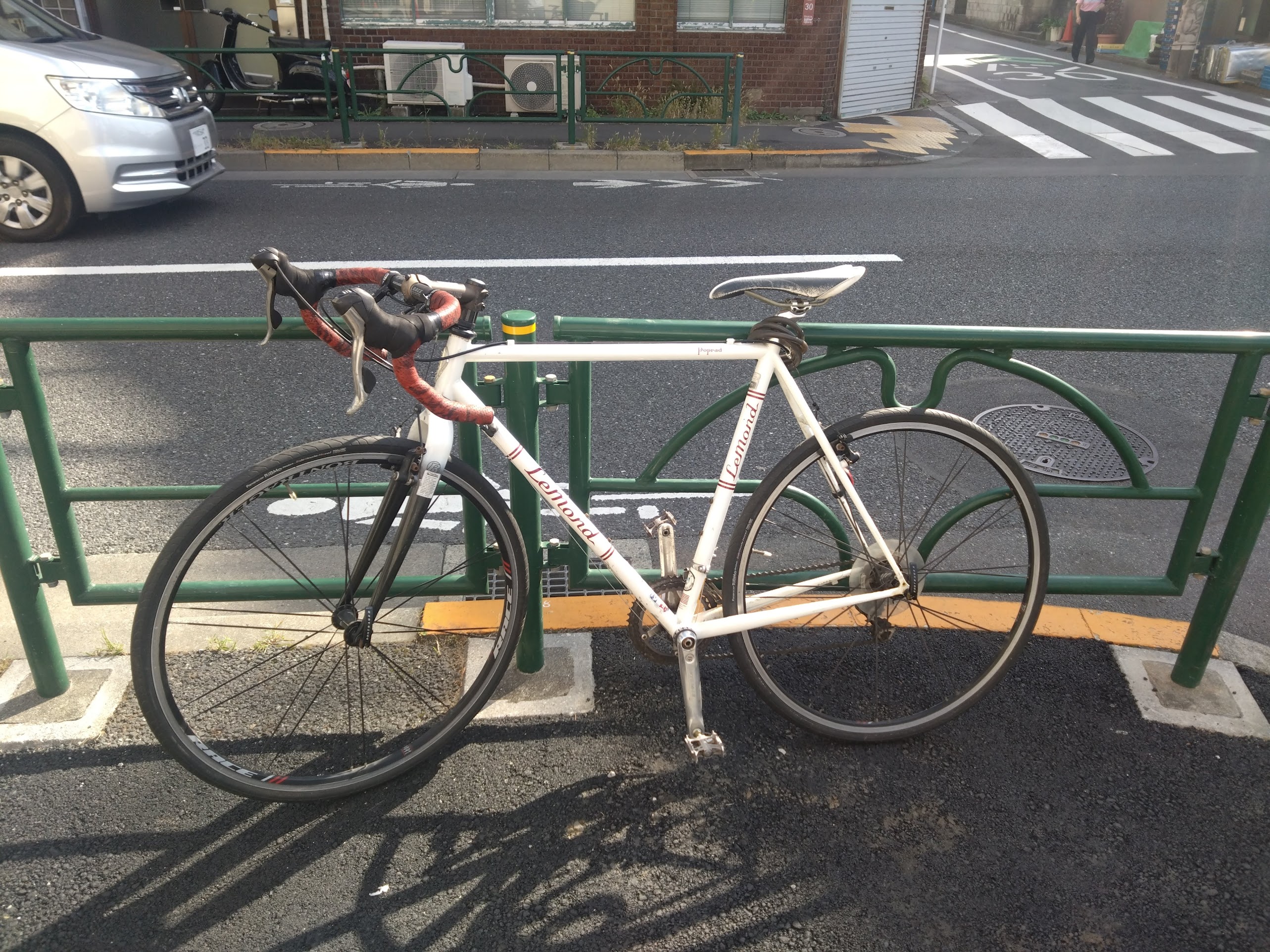
It cost me about $350 as pictured, which was probably too high with all things said, but I immediately fell in love with the look of the frame. It’s a 2008 Lemond Poprad CX bike with fairly beaten up parts. I knew pretty much nothing about road bikes when I bought it – I literally didn’t know how to shift up on the Shimano brifters when I first got on. If I did, I would’ve noticed that the front shifter was completely busted. Over the course of the next half year or so I taught myself to service every part of my bike. Some new Microshift shifters, all-new cabling and housing, new linear pull brakes to replace cantilevers, new Campagnolo/Fulcrum wheels, new tires, all-ultegra drivetrain (including the chain!) later, it looks something like this:
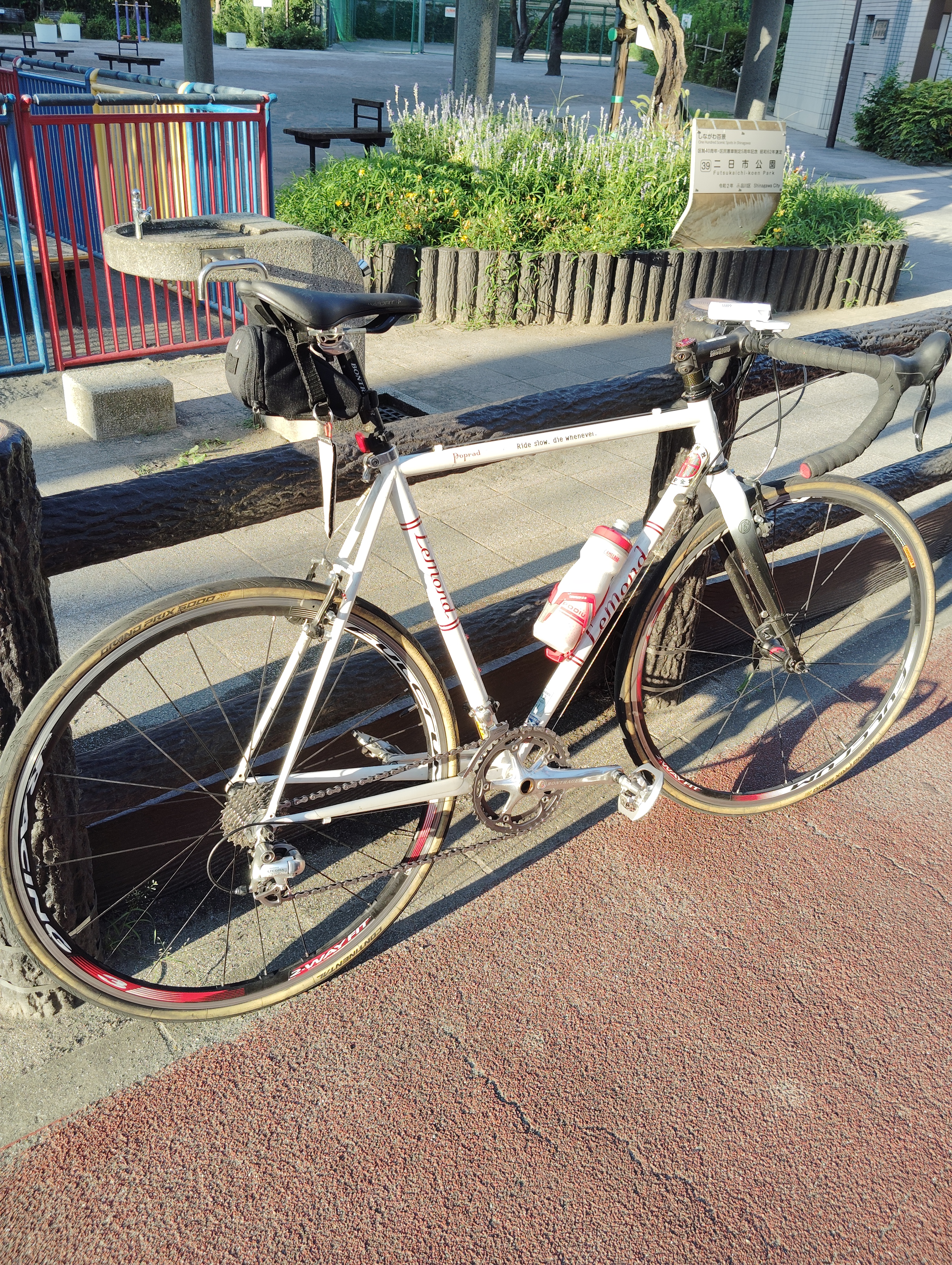
I feel like bicycles are simultaneously magical and intricate but also surprisingly foolproof and operationally obvious. I find this balance of simplicity and technology extremely elegant, which is also why I personally couldn’t imagine using the new wave of electronic shifters & derailleurs, or power meters, or hydraulic brakes. Not that I could afford any of them anyway. Not too long ago I used to be a huge fan of trains and loved taking them whenever I go anywhere, but these days I have to come up with places to go just so I can hop on the bike. City cycling, for all its risks and inefficiencies, is so thrilling and liberating.
I happen to live quite close to the city, so areas like Shibuya, Shinjuku, and Akihabara are all within around 10-15 km away. One of my favorite pastimes is to bike over, eat some good food and watch the people and cars for hours at a time. While the city is nice, another area I love to cycle to is the series of artificial islands on the south-east coast: Shinagawa/Oi wharfs, the south edge of Haneda airport, all the Kawasaki industrial islands, and Daikoku. I am generally fascinated by the logistics that make possible the modern lifestyle we take for granted – trains, airplanes, ships, but also radio networks and manufacturing. I’ve collected a kind of amusing set of photos from cycling through these areas which for the most part are only conveniently accessible by car, and I plan to put them up on my site somewhere. I also have quite a bit of cycling footage from a action cameras, but editing them turned out to be way, way more effort than I thought it would be. I should probably give up on Kdenlive (I won’t).
One special cycling trip was in March of this year, during which I cycled the Shimanami Kaidou, a road connecting Onomichi in Hiroshima with Imabari in Ehime. Most of the route has excellent bike infrastructure is quite famously the ultimate cycling destination in Japan. The views really didn’t disappoint, I posted a couple photos but something went horribly wrong with the color grading during development and I didn’t want to fix it in post. I travelled with some very interesting people (mostly from the Dice ctf team and Zellic) who were in Japan for SECCON. I made some awesome lasting friendships (everyone comes back to Japan eventually) and it was all-around a really great time.
2.1.2 School life
I’ve finished a bit over half of my Master’s course at Science Tokyo now, and I’d like to write a bit about how it’s been.
From an educational standpoint, I find it difficult to recommend coming here. The courses I’ve taken os far are in general exceedingly superficial, easy, and exclusively busy work. I assume this is unique to my department (Information & Communications (ICT)), but there’s a distinct culture of prioritizing research. To be honest though, I like it much better this way. I have nothing but positive things to say about my supervisor and lab. I’ve been given all the resources I could ask for and more, both in lifestyle and technological terms. I’ll discuss the details of the my research work in a different section.
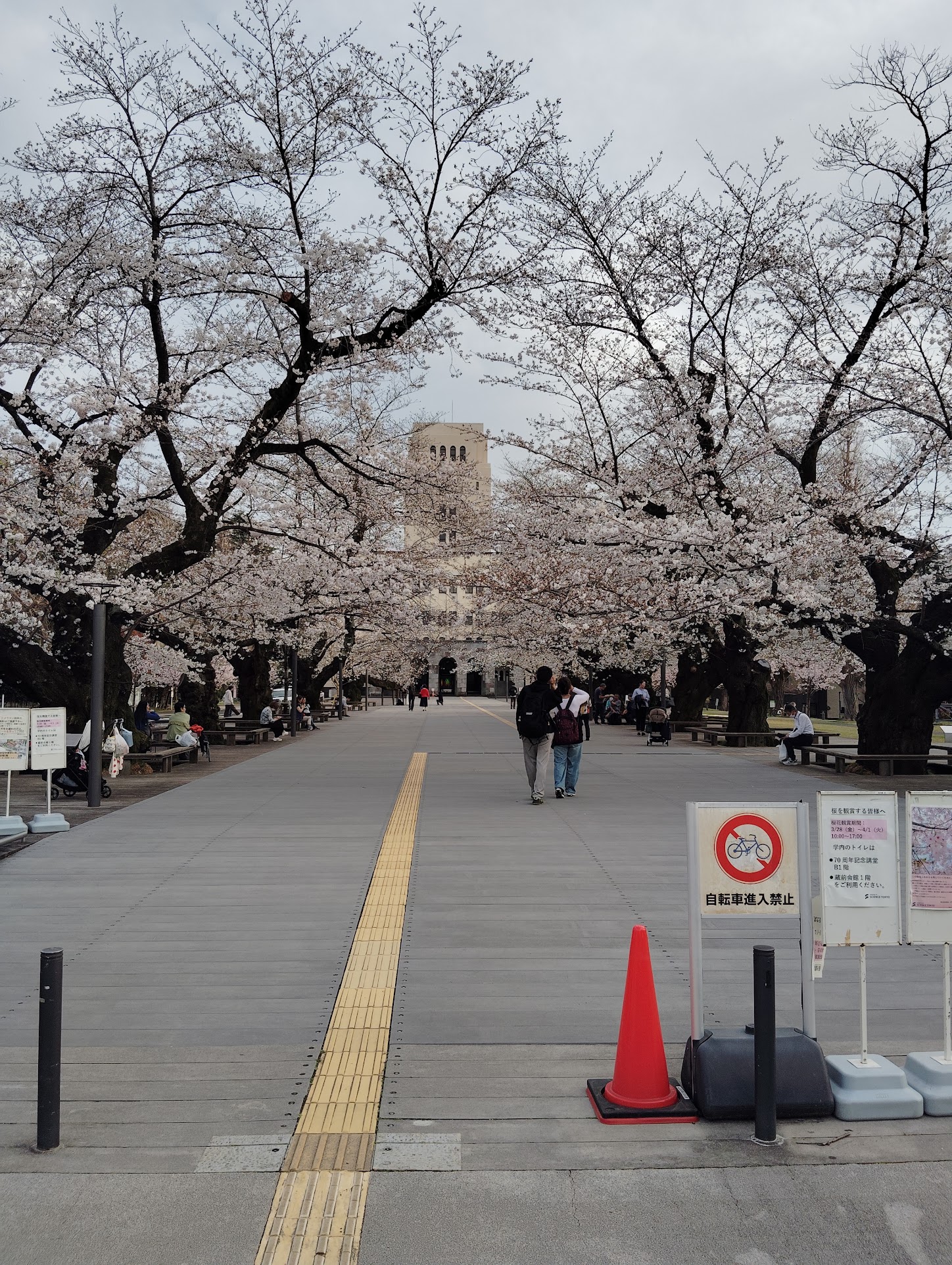
The campus and my office though, are really awesome. In the spring, the pathway to the main building is flanked by cherry blossom trees:
And in the fall, the main road is covered in yellow gingko leaves (let’s not talk about the rotting fruit):
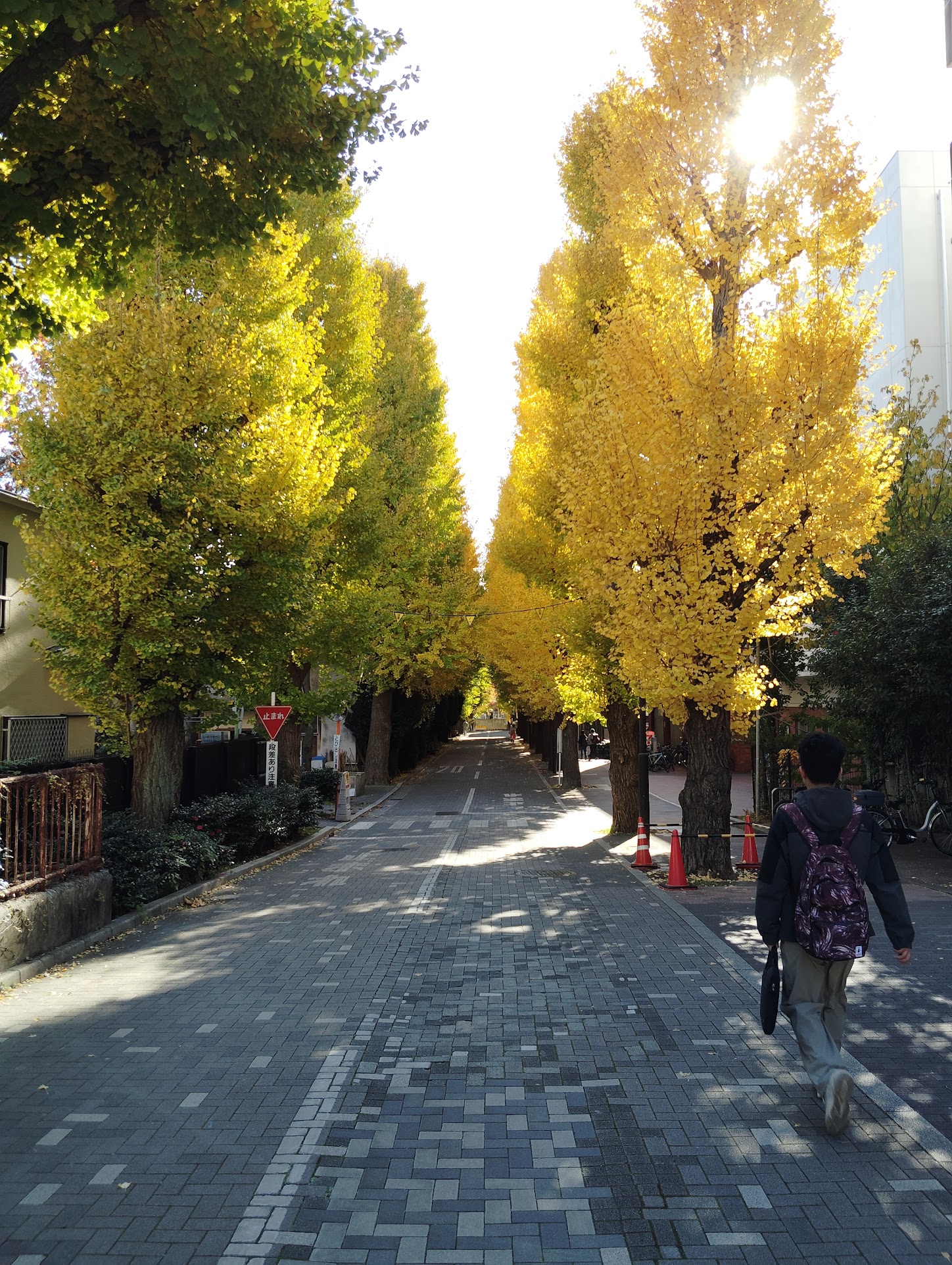
(My office is just off to the right).
One very funny course I took this year was “Getting familiar with the Science Tokyo campuses” about each of the campuses of the (newly merged) university and their surrounding areas. Each class took place in a different campus and included a tour of the clock tower of the main building. This class was really amusing; I wrote my final paper as a ranking/review of ramen shops near the main (Ookayama) campus (my top ranking was なるめん, I’d recommend visiting if you get the chance, but you have to monitor the owner’s X to figure out when it’s open).
For the most part, school was fun this year. There’s a fairly large population of foreign students from many countries, both exchange and regular students. I live in a mostly international university dorm, so I’m definitely interacting with more cultures than I ever have before.
TraP
I’m a member of only one club, the traP “digital creation circle”, a unified CS and digital art organization (which is also by far the biggest club on campus). Trap has a bunch of sub-clubs, like for game dev, ctf, and competitive programming. Most of my (japanese) friends are also in/from trap, and I keep up with them through an internal discord-like chat app called traQ. The club has a lot of culture and creative soul, and produces a suprising amount of output in the form of code, games and miscellaneous projects. The only issue is that it’s essentially 100% japanese, and definitely leans more undergraduate in composition.
I had the chance to compete in the ICPC Japan competition this year with some foreign students from traP (@malfisto (my friend Bohdan), and @Eraxyso). I’m completely washed at competitive programming now (not that I was ever really good), so I kinda just tagged along for moral support. Out of 355 teams, yamatonadeshiko placed 20th in the country, but we still didn’t qualify for the Yokohama regional since we only placed 7th in the school. Science Tokyo was so strong this year that all 4 teams that qualified full solved. It kinda inspired me to start practicing again, and I’ve been working through the Japanese CP book 「競技プログラミングの鉄則」on Bohdan’s recommendation.
2.2 Research
While being a regular student, I’m also employed as a research assistant in our lab. So, I’ve naturally been somewhat focused on research this past year.
The project I worked on for most of 2025 (which is now winding down) is latentcsi, a method to generate images from Wifi CSI (a record of the effects of the physical channel on signals transmitted at various frequencies). To summarize the method, it adapts a traditional Stable Diffusion type image to image process by replacing the image-to-latent encoder with a different csi-to-latent neural net that’s trained to imitate the output of the original model with a different input modality. This constituted one half of the work; the other half implements this idea in real life, with distributed sensor nodes, a training server, and clients. It turns out that using a neural network to predict small latents instead of large images means you can train it fast enough to show interestingly generalized results in a few minutes and use it for nearly real-time inference. The paper contains more details, but I’d instead suggest browsing the slides for a more concise summary.
To my great shock and horror, this paper got sort of popular on a few websites, typically with people not really understanding the limits of the work. Generalized learning off of raw CSI is very difficult, and this isn’t a problem we claim to solve. Instead, we try to find a really lightweight solution that can be trained so fast that you can learn new scenarios in a practical way. A short while after we put out the arxiv paper, several companies contacted our lab interested in the work, including worryingly some consumer technology companies. I can say with some confidence that the industry is actively and eagerly interested in abusing CSI sensing in quite concerning and directly consumer impacting ways. This is real and might very well be coming soon. Send me an email if you’re interested in discussing more about this topic. Sometimes it’s quite easy to forget, when you’re working on an academic project, that what you do does impact the real world and can very well hurt people. It’s seems quite clear to me that pursuing this direction of research is somewhat morally compromised.
…anyway, I had the opportunity to do some (sponsored) travelling over the past months to attend a few conferences. Travelogue follows:
2.2.1 Conferences
MIRU @ Kyoto
The first conference I attend this year was MIRU in Kyoto, the largest domestic computer vision conference in Japan. This conference is huge: there were at least a few thousand attendees, mostly composed of students with an unexpectedly large cohort of undergrads. As I understand, many undergrads present their senior-year thesis here.
Kyoto is of course only a short Shinkansen trip away from home, and a city I’ve visited many times before. The highlight of the trip travel wise was definitely the venue, the Kyoto International Conference Center. This building is extraordinarily striking:
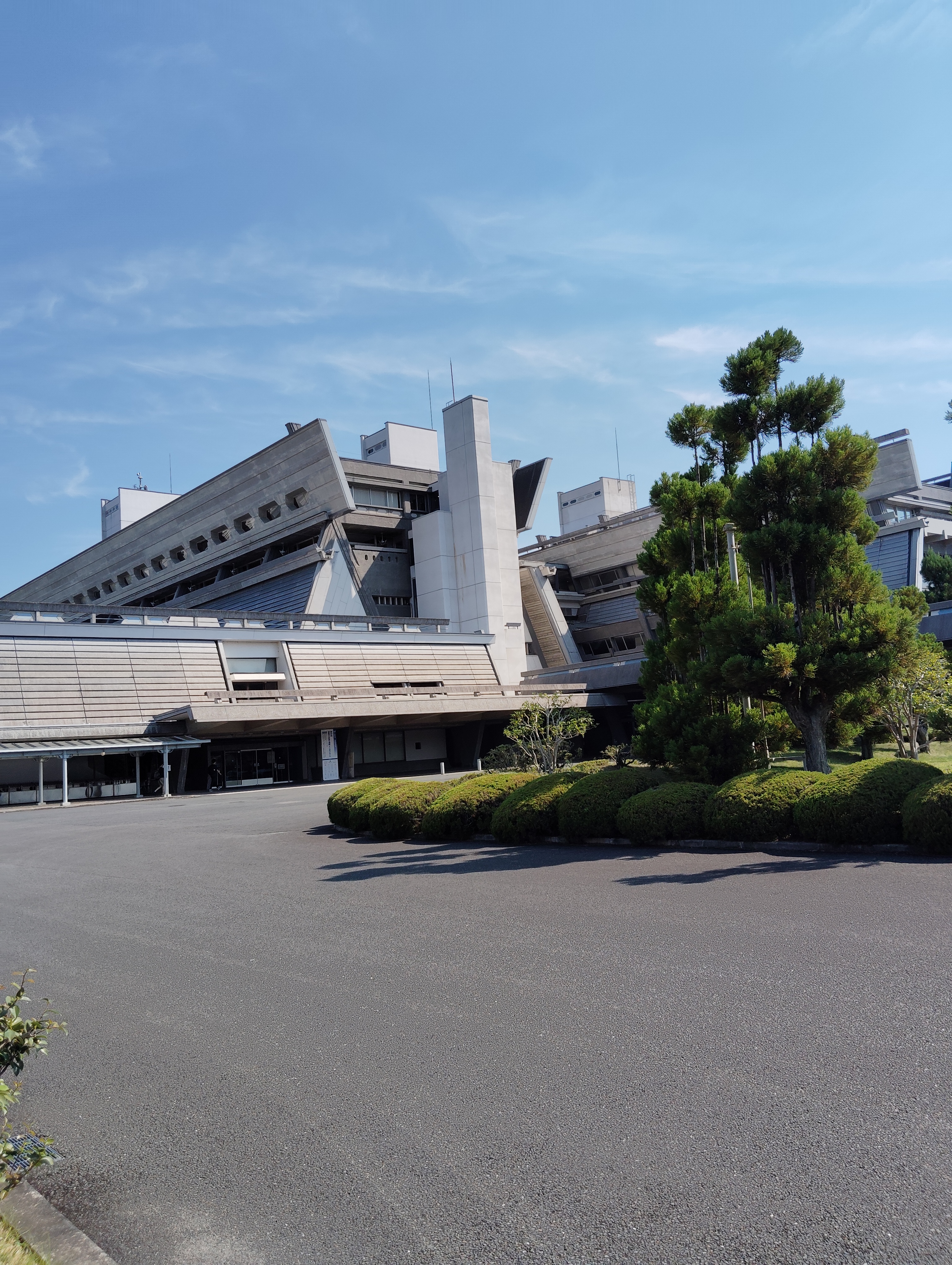
It’s designed in such a way that there are very few vertical lines at all, and no vertical supporting columns. The famous Kyoto Protocol was signed in the same main hall, and was a lot of fun to explore and photograph.
Mobicom @ Hong Kong
In November, I visited Hong Kong for Mobicom 2025. Hong Kong was a destination I’d wanted to visit for a long time, so I was very excited. I stayed in the Kerry Hotel near Whampoa, which had excellent food and a really spectacular view of the Hong Kong island skyline:
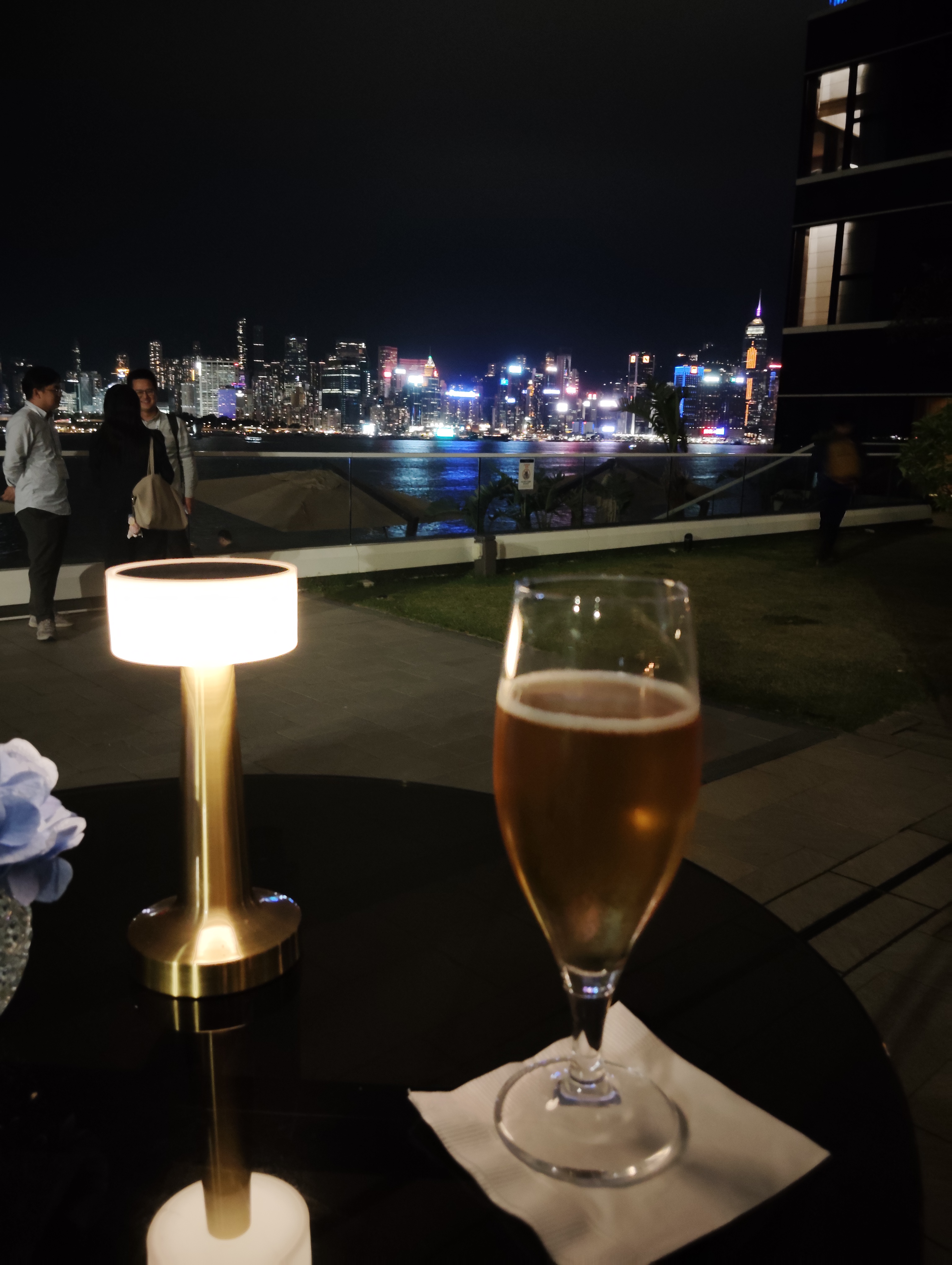
Carlsberg at the conference reception I presented a demo of our real-time implementation of LatentCSI. I met some very interesting people, students and professors alike. The final day of the conference was held at the Hong Kong University of Science and Technology (HKUST), a beautiful campus and environment. The symposium presentations (which I managed to attend) were very interesting.
This was my first time in officially-PRC territory, so I tried to make the most of the trip. The very same day I landed I’d already hit most of the big tourist spots, like the Avenue of Stars and the Peak. After that, I kind of just wandered around Tsim Sha Tsui and Central either trying to find famous restaurants or movie spots (my favorite of which was the Central-Midlevels escalator from Chungking express). I’m a big fan of Hong Kong cinema, especially Wong Kar-wai and the classic Triad movies. While I did visit a couple of really good expensive restaurants (especially for dim-sum), one of the most memorable things I ate in HK was 車仔麪, or “cart noodles”, where instant noodles are mixed with the sauces and toppings of your choice. I’m sure I’d be eating it every day if it was popular in Tokyo.
I took a day to visit Shenzhen, which is directly north of Hong Kong. I’d read about a 5-day visa on arrival for the Shenzhen Special Economic Zone, so I decided without thinking too carefully to buy a ticket for the HSR from West-Kowloon in Hong Kong to Futian in Shenzhen. However, I’d unfortunately missed that the visa is only available at direct ports of entry, namely the land-border crossings at Luohu and Huanggang, the Shekou ferry port, and Bao’an airport – not any of the HSR stations. So here I am, at the immigration counter to Shenzhen and the lady in charge looks through my passport and asks me where my visa is, and I had to vaguely explain away my horrific lack of research. The good news is that it’s less than an hour from West-Kowloon to the real land-border crossing, where I got my 5-day visa and finally made it across.
Stepping into mainland China really feels like entering a different world if you’ve never been there before. Everything’s done slightly differently, like the mobile payments, simplified Chinese, brands I’ve never heard of before, delicious convenience store drinks, and above all, the raw scale of buildings and public infrastructure. Luohu station, the most popular land-crossing, is probably close to 10x bigger in size on the Shenzhen size than on the HK side. I imagine this sense of wonder is how many people feel when they visit Japan for the first time (I’m so jaded now I can hardly remember it). My favorite experience in Shenzhen was the Huaqiangbei electronics market, a sprawling collection of buildings selling almost any electronic product in any state of completion. When I was in high school, I remember reading the Guide to electronics in Shenzhen book for mysterious reasons, so it was cool to finally be there. The scale and sprawl of the market was very impressive to see, since technology has of course been a big part of my whole life. A common sight in Huaqiangbei are groups of foreigners rolling around large suitcases full of electronics (especially smartphones) buying hundreds of items at a time to resell in regions like India and Western Africa. This mirrors what you can see in places like Chungking Mansions (also of Chungking Express fame), where a large number of south asians (mainly Indians and Pakistanis) run smartphone export businesses. I also spent a bit of time in the Chungking Mansions while in HK, mainly for the delicious and very authentic south Indian food, but also to get a sense of this extremely weird and unique environment – an ostensibly poor piece of the Third World right in the middle of one of the riches cities in the world. I highly recommend the book Ghetto at the Centre of the World, which aptly describes this pattern as “low-end globalization”. I guess it’s still surprising that the market hasn’t fully optimized electronics export out of China.
Globecom @ Taipei
In December, I attended Globecom held at the Taipei Internatinal Convention Center. While it was my first time in Hong Kong, I visited Taiwan for nearly 2 weeks in the summer. I stayed for about a week in Taipei and another week in Kaohsiung. As such, I had a decent idea of what I missed, what I wanted to do again, and what I should advise my school friends to skip.
The main thing I missed was probably Yangmingshan park, with its grasslands, cows, and hilly hiking routes:
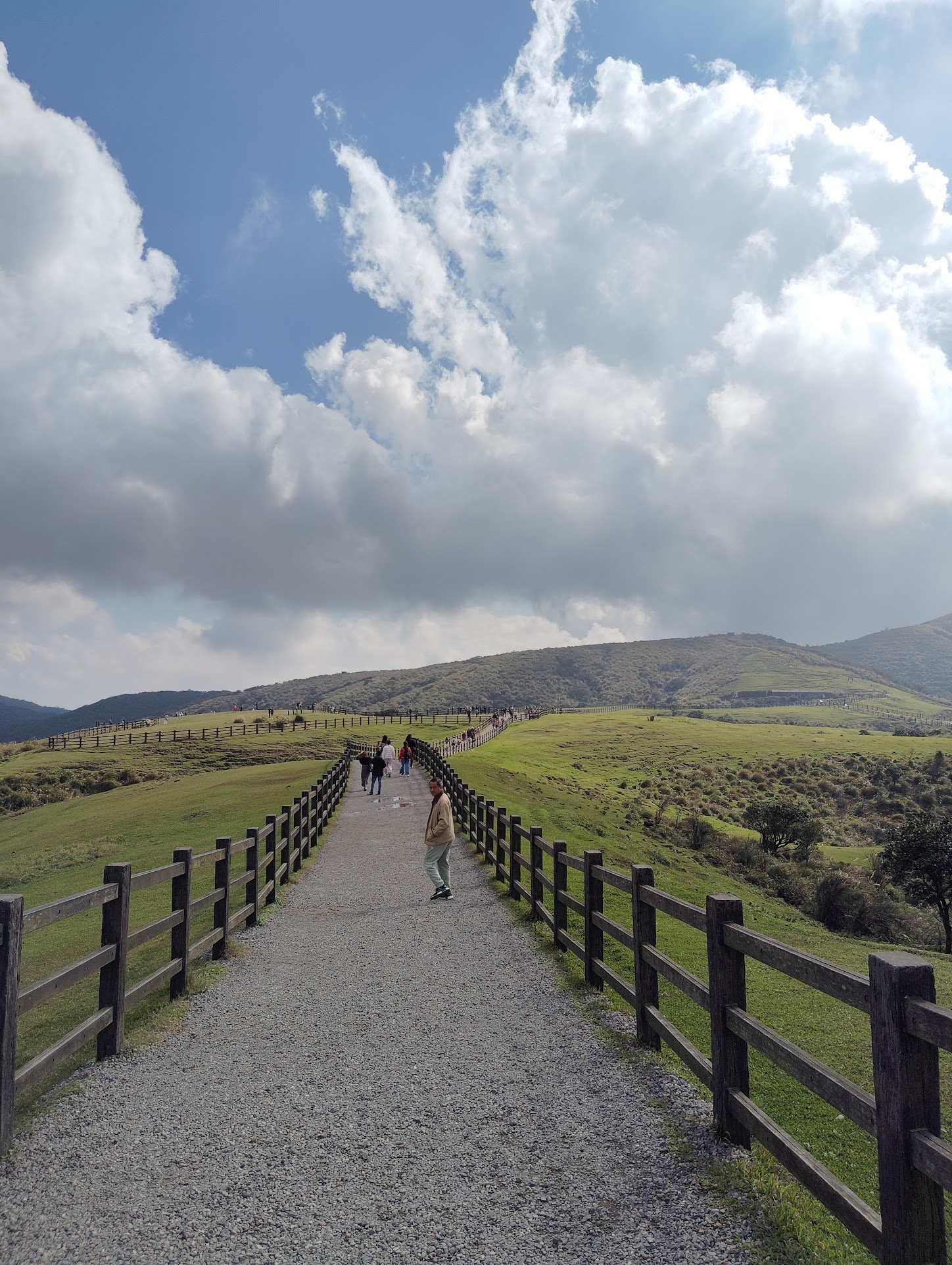
Yangmingshan grasslands (entrance) In the same area I missed doing the hot springs at Beitou, but I did get a chance to see the very cool old Xinbeitou train station. The bulk of my trip was however, revisiting places I’d already been – restaurants and food stalls. I absolutely love the kind of congyoubing (scallion pancakes) that’s served from streetside stalls – I usually ask for an egg and extra spicy sauce.
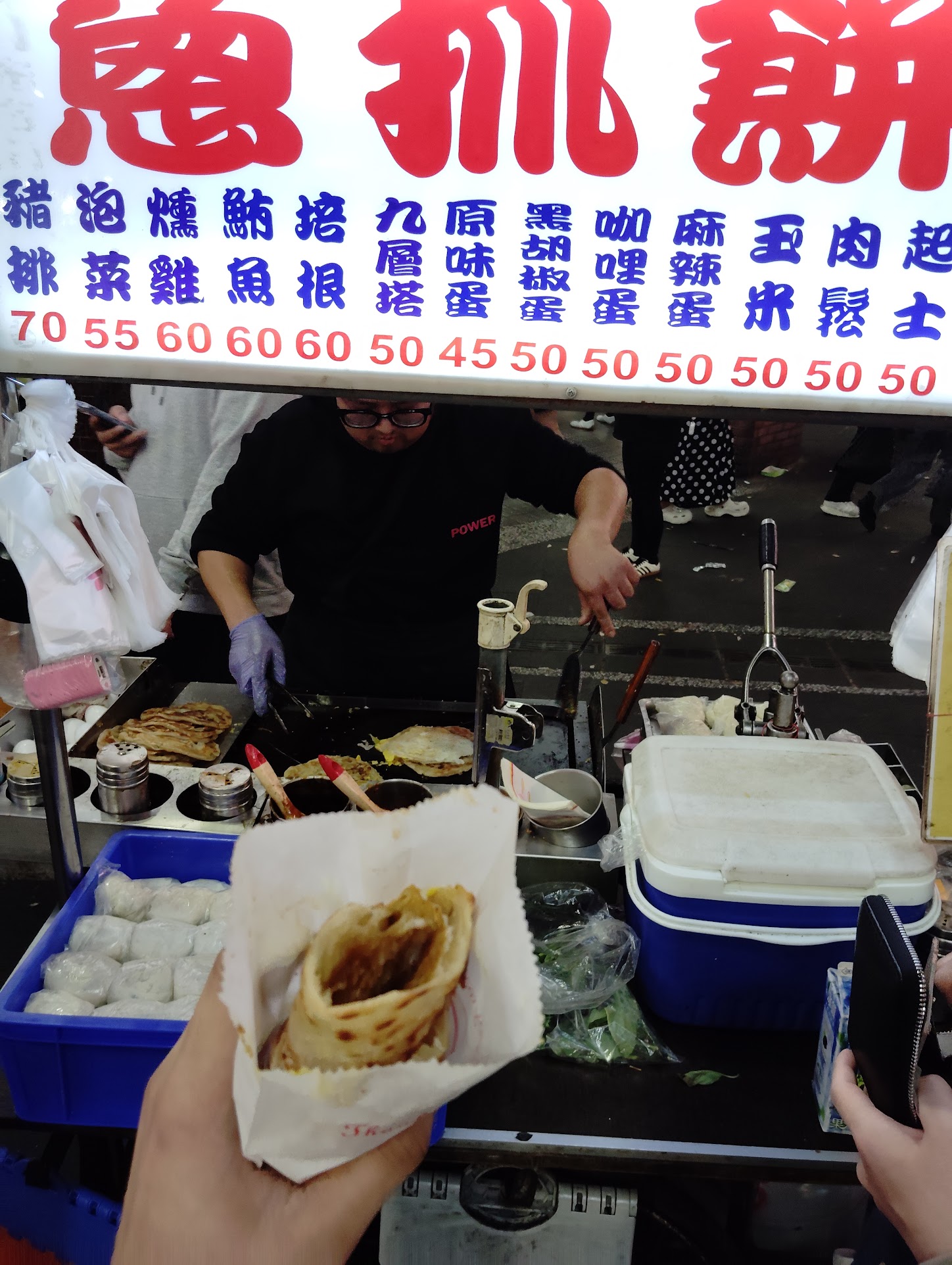
Congyoubing When it’s done right, it’s incredibly flaky on the outside but soft and chewy on the inside. My other top choice of street food is hujiaobing (pepper buns), a slightly spicy meat bun from Fuzhou. For dessert, I recommend xuehuabing (milky shaved ice), but it’s probably just as popular in the USA or Japan. I probably remember the night markets in Taipei better than anything else from the trip – I’d say a trip to Taiwan is worth is just for the food (indeed there might not be that much else to do). We stayed fairly close to Ximending station, and since our conference happened to coincide with the Qingshan king festival in Wanhua we got to see the whole place lit up and packed with dancers and parade cars at every intersection.
After all three of our presentations were finished, we took the Maokong gondola up to Maokong station. While the weather was far from ideal, the views from the gondola and the Taiwanese tea we shared at the top were both fantastic.
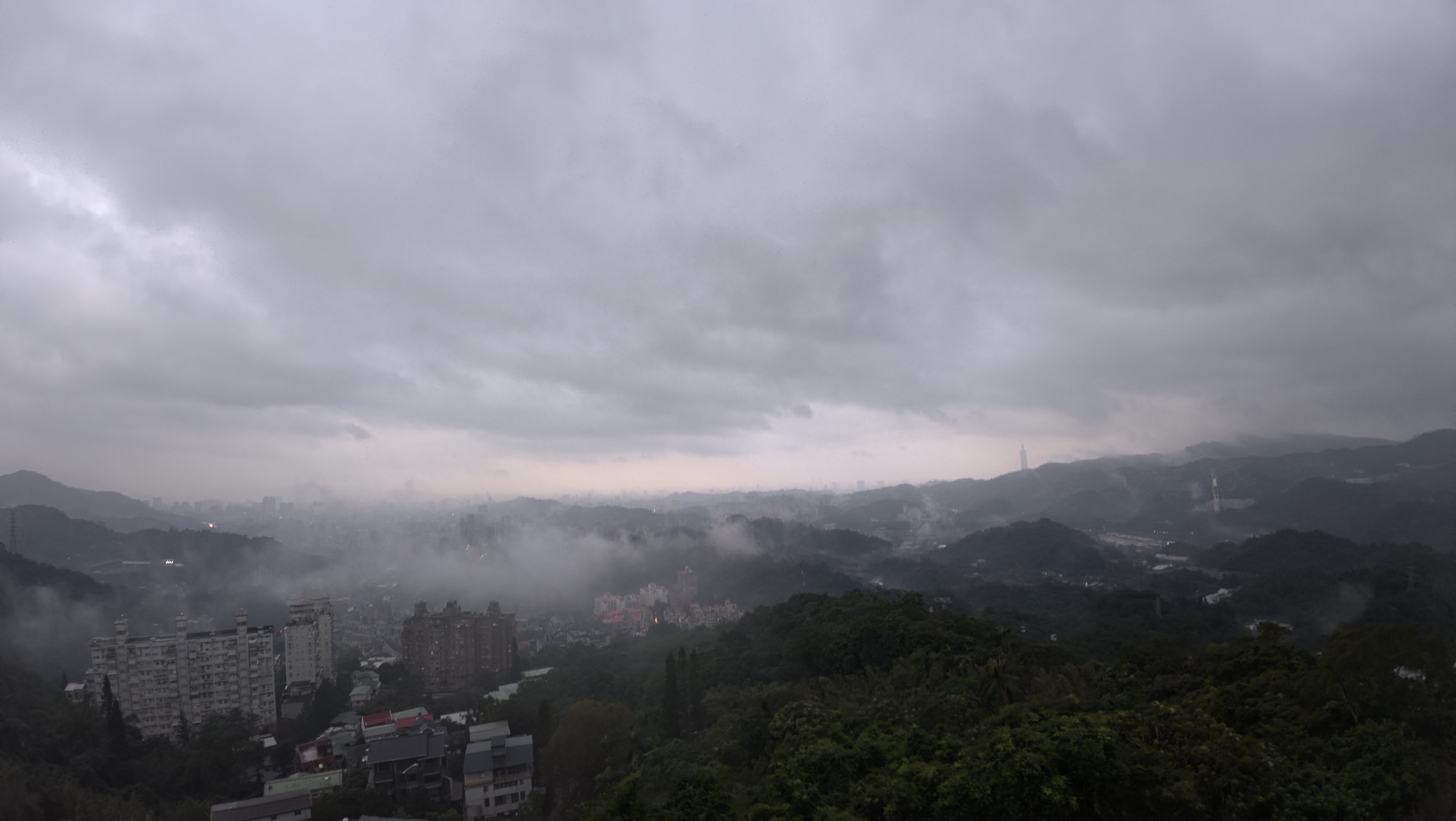
Maokong gondola view, Taipei 101 barely visible on the right 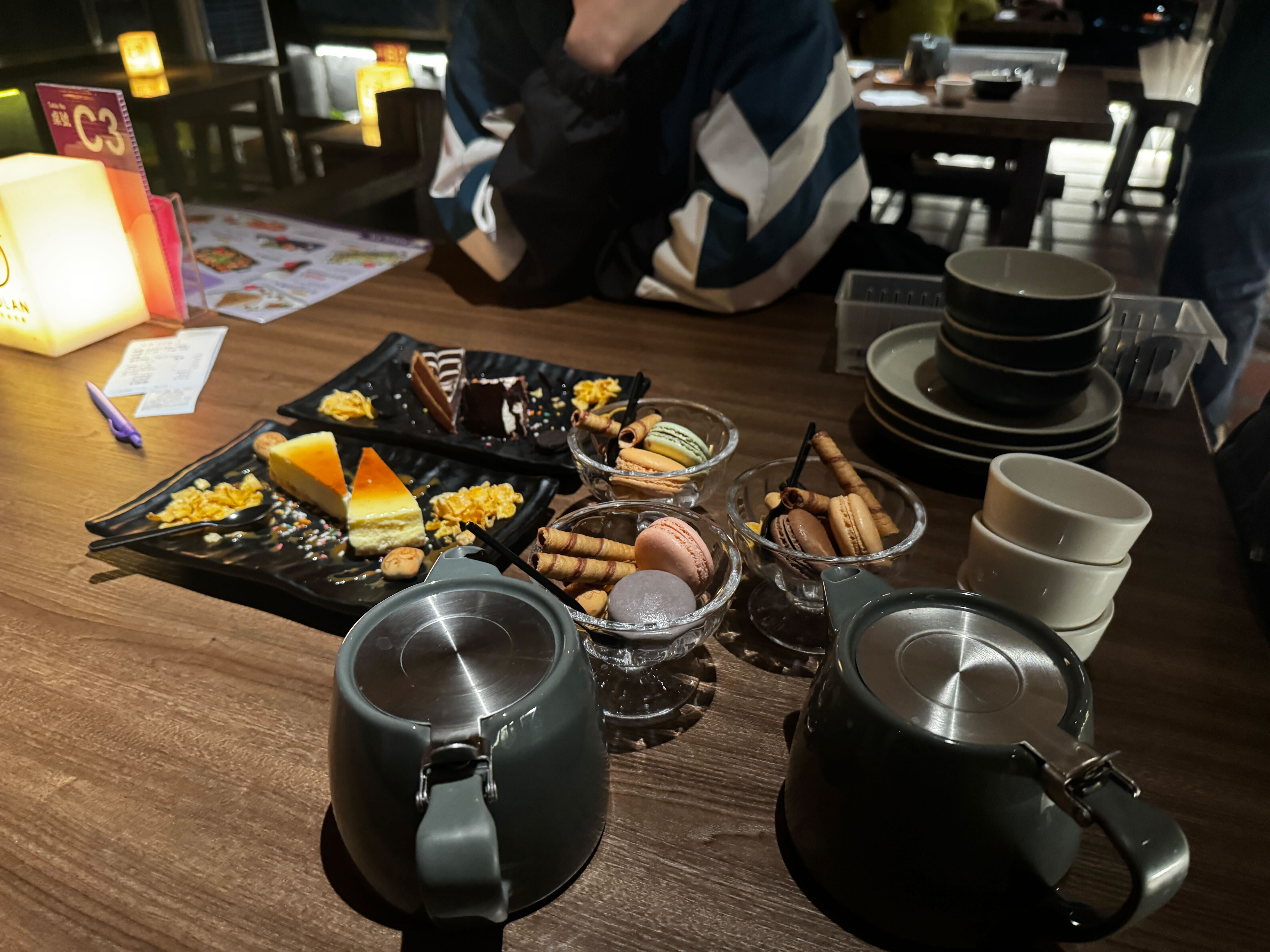
Tea and sweets (maybe a bit overboard for 3 guys)
3 Looking forward
With that, I think I’ve covered my 2025 in fairly large strokes. When I look back on this year as a whole, two things stand out to me. First, it felt quite dense, a fair bit of travel, very new experiences, and new people coming into my life. But paradoxically, I don’t really have much tangible artifact to show for it! I didn’t learn as much as I might’ve hoped to, despite reading a lot; and didn’t make as many things as I would’ve liked to, despite programming a decent amount. It’s much harder to find value in experiences that change you subtly and over time compared to individual events.
I’ve never been a big believer in new years resolutions, but there are some trends I’ve felt recently that I hope carry on into 2026. One of these is that I’ve returned to trying to learn Chinese (since ~3 years ago). The last time I gave it a serious attempt, I decided to learn traditional characters, which seriously limits the scope of content you can immerse in. So, I ended up mostly doing a lot of vocabulary on anki and not as much content immersion. This time around, I’m taking it really easy on the anki, learning simplified characters (which turned out to be much harder at all), and watching more content. Still, I feel that compelling easy content for Chinese is much harder to come by than for Japanese, for which you can pick and choose from younger audience manga and anime popular and widespread on the Western internet. My trips to the (Republic of) China, a (SAR of) China and the (People’s Republic of) China left a pretty strong impression on me. I’d like to get to a reasonably conversational level next year – my standards and expectations are probably not going to be as high as they were for Japanese.
I’m still enjoying programming in lisps, but I’d like to do more next year too. The biggest thing I’m working on is a new static site generator written in Racket. It uses scribble/html s-expression based html templates, and will support really flexible transformation pipelines (with a focus on ergonomic pandoc). I do like Hakyll, and I’ve been using it for a long time now, but at some point I did come to terms with the fact that it is just hard to “hack” on. Changing anything that’s not intentionally exposed (built-in) requires hackage-reading and hoogling, it’s impossible to monkey-patch functions like we can do in lisp, and the templating system is slightly awkward. I am essentially planning a hakyll-type SSG, with the same structural philosophy about “contexts” and “compilers”, except dynamically typed (everything is a string), and much more easily hackable. While I have a prototype working, getting it feature-complete enough to totally replace both this blog and my photos website has proved to be a bit more complicated. I am also planning a total style/layout overhaul of both websites soon.
In any case, happy new year and holidays to everyone!! Here’s to a fun and fruitful 2026.